

fuel-driven bikes. car industry news do lower emissions but also provide exceptional torque and acceleration, rendering them an appealing option for both new riders and seasoned enthusiasts. As battery technology keeps to improve, we can anticipate greater ranges and reduced charging times, further enticing riders to choose electric options.
Alongside electrification, developments in connectivity are redefining the motorcycle journey. Functions such as integrated navigation systems, real-time rider data, and smartphone connectivity are being prioritized by manufacturers. This connectivity allows riders to access vital information about their bike’s functionality and maintenance needs, as well as facilitating enhanced safety attributes through modern rider-assistance systems. These technologies strive to create a highly interactive and secure riding experience, drawing in a broader audience and introducing new riders who may have previously hesitated.
Motorcycle design for motorcycles is also changing, with manufacturers exploring lightweight materials and aerodynamic shapes to improve performance and efficiency. The integration of AI and machine learning will likely customize the riding experience, tailoring to individual rider preferences and styles. While the motorcycle industry adopts these innovations, we can anticipate a time where motorcycles are both much efficient and environmentally friendly but also intelligent and more connected, appealing to a diverse and expanding community of riders.
Trends in Car Innovation
The automotive sector is seeing a growth in advanced technology that enhances both security and effectiveness. Next-generation driver-assistance systems are becoming standard as manufacturers adopt features such as dynamic speed regulation, lane departure warning, and automatic emergency braking. These technologies are designed to lower accidents but also serve as foundations toward fully autonomous vehicles. The push for automation is transforming how we understand driving, promising a future where human intervention may be minimal.
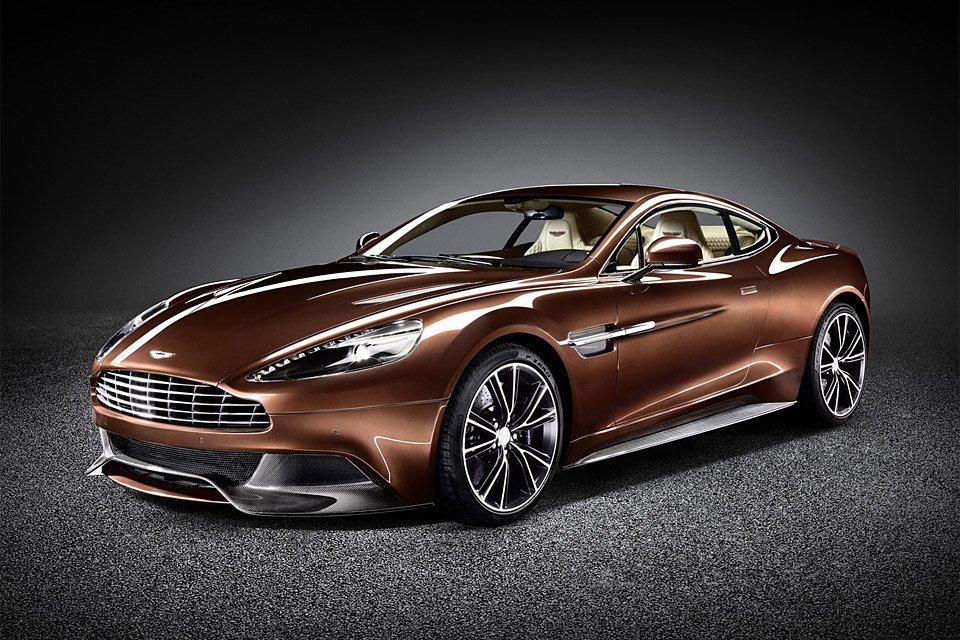
In addition to ADAS, battery-powered innovation continues to dominate the car landscape. With developments in battery efficiency and refueling infrastructure, electric cars are now a more practical option for daily consumers. Latest models are being introduced with longer ranges, faster charging times, and superior performance, making electric vehicles an appealing alternative to gasoline combustion engines. This change is supported by state and federal incentives and a worldwide push towards green initiatives, which are essential in reshaping the car market.
Another important trend is the adoption of smart tech into vehicles. Features such as vehicle-to-everything communication, Internet of Things capabilities, and in-car info systems are growing increasingly complex. Car makers are emphasizing connecting vehicles to the online network, allowing for a customized driving experience and better traffic management. As innovation continues to progress, the vehicle sector will increasingly reflect our tech-driven lives, creating opportunities for more advanced, safer and more integrated vehicles.